


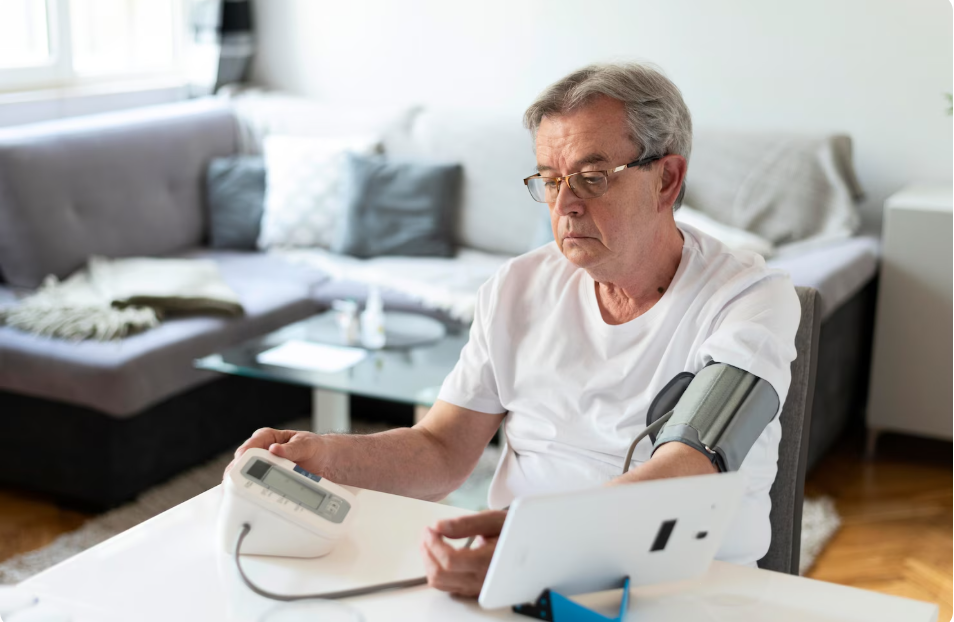
For many people with sleep apnea, a CPAP machine is the go-to solution. However, for some, a BIPAP machine (Bilevel Positive Airway Pressure) is a more effective form of respiratory therapy equipment. While they may look similar, a BIPAP machine works differently and can be a game-changer for people who can’t tolerate traditional CPAP therapy. This guide will help you understand the core differences and when a BIPAP machine might be the right choice for you.
The primary difference between a CPAP and a BiPAP machine lies in the pressure they deliver. A CPAP machine delivers a single, constant air pressure throughout the night. A BIPAP machine provides two distinct pressure levels:
This difference in pressure makes breathing out against the machine’s airflow much easier and more comfortable, which is a major benefit for many users.
A BIPAP machine is often recommended by a doctor when a person:
Home Management of Type 1 Diabetes Home management for Type 1 diabetes is non-negotiable and revolves entirely around replacing the insulin the body can no longer produce. Key components include:
While a CPAP machine is a highly effective treatment for most people with sleep apnea, a BIPAP machine provides a valuable alternative for those who need a more comfortable or advanced form of respiratory therapy equipment. Discussing your specific needs with your doctor is the best way to determine if a BIPAP machine is the right choice to improve your sleep and overall health.