


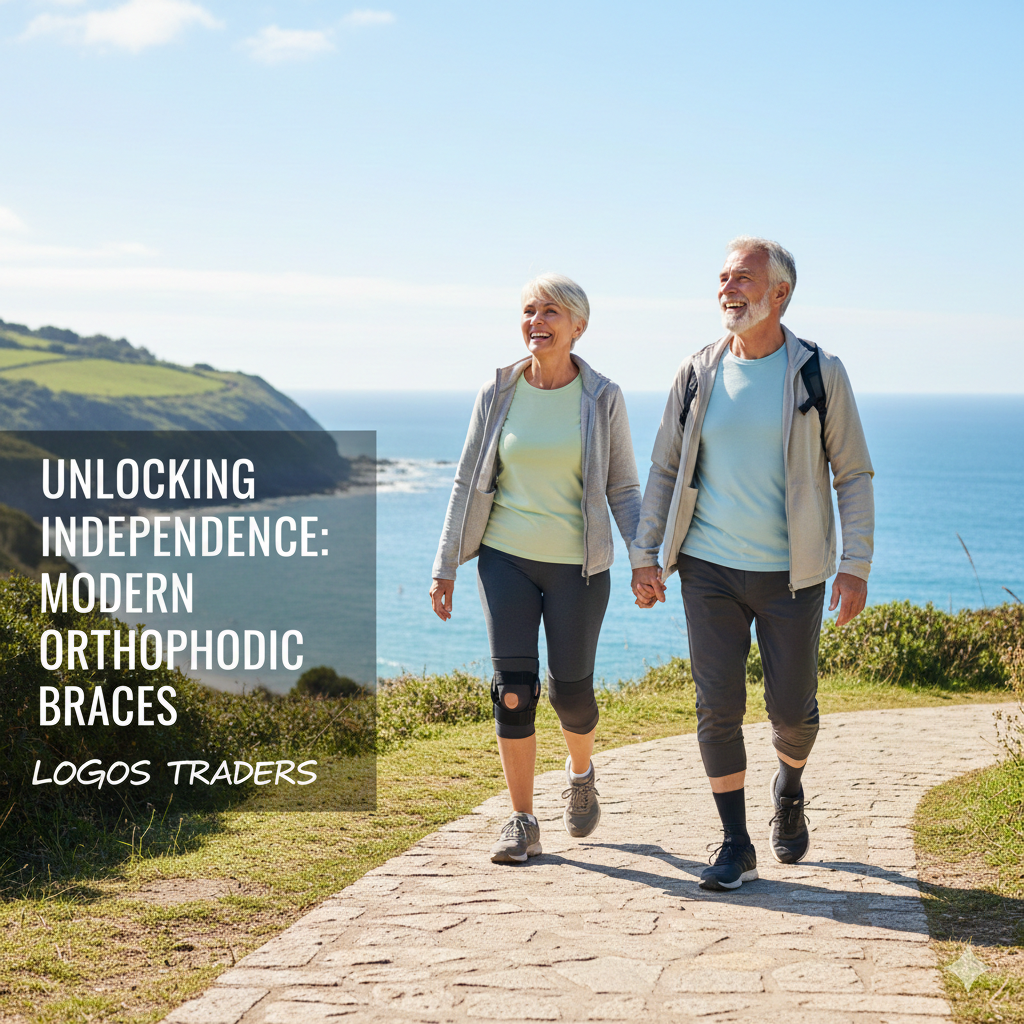
Modern orthopedic braces are rapidly changing this narrative. Far from being restrictive, these carefully engineered supports are proving to be powerful tools for empowerment, helping millions of older adults overcome discomfort, regain confidence, and truly stay active in old age.
If you or a loved one are struggling with joint discomfort or a growing fear of falling, read on to discover how the right brace can be the key to unlocking a healthier, more independent chapter of life.
Understanding the challenges is the first step toward overcoming them. Mobility loss in seniors is rarely caused by a single factor; rather, it’s a culmination of age-related changes:
These factors combined can turn simple daily tasks—like gardening, climbing stairs, or a morning walk—into major obstacles. The result is often a sedentary lifestyle, leading to further decline in health and independence.
This is where expertly designed braces for seniors step in. They serve multiple critical functions that directly counter the effects of aging on the musculoskeletal system.
1. Engineered Stability and Support
The primary role of an orthopedic brace is to provide external, mechanical support to a compromised joint.
2. Reduction in Pain and Inflammation
By limiting excessive, painful movements and providing compression, braces help reduce swelling and inflammation in the affected joint. This allows the senior to move more comfortably, often without relying as heavily on oral pain medications. The ability to move without anticipating a sharp burst of pain is perhaps the greatest benefit, encouraging more frequent, smaller movements that keep the joints lubricated and the muscles engaged.
3. Enhancing Proprioception and Confidence
Proprioception is the body’s unconscious sense of where its limbs are in space. Arthritis and nerve changes can dull this sense, contributing to balance issues. A well-fitting brace creates a constant, gentle pressure signal around the joint. This enhances proprioception, meaning the brain receives clearer information about the joint’s position, leading to better balance and coordination.
Crucially, this physical security translates directly into psychological confidence. When seniors feel stable, the crippling fear of falling subsides, allowing them to participate in activities—whether it’s exercising, playing with grandchildren, or simply navigating their home—with greater enthusiasm and a renewed sense of independent living.
While knee and back braces are foundational for mobility, other support products can complement an active lifestyle:
Compression Stockings for Circulation
For older adults who spend time on their feet or experience leg swelling (edema), compression stockings are invaluable. They work to gently squeeze the legs, promoting better blood flow back to the heart. This reduces tired, achy legs and lowers the risk of developing deep vein thrombosis (DVT). Wearing these during travel, long periods of standing, or even just daily activity can make a huge difference in comfort and energy levels, contributing to overall well-being and the ability to stay active in old age.
Wrist and Ankle Supports
Simple, well-designed wrist braces can provide much-needed relief for arthritis or carpal tunnel syndrome, allowing seniors to continue activities requiring fine motor skills, like knitting, writing, or cooking. Similarly, light ankle supports can offer extra confidence on uneven terrain.
Selecting the correct brace is critical to its success. A brace that is too restrictive, uncomfortable, or ill-fitting will simply gather dust in a drawer.
Here are three quick tips: